Activities and discoveries
Travel extends far beyond simply reaching a destination. The activities you engage in and the discoveries you make transform a geographical journey into a collection of meaningful experiences that shape your understanding of the world. Whether you’re drawn to adrenaline-pumping adventures, quiet cultural immersion, or unexpected encounters with local traditions, the activities you choose define the essence of your trip and create the memories that last long after you return home.
Understanding the landscape of travel activities—from outdoor pursuits and cultural experiences to culinary explorations and spontaneous discoveries—empowers you to design journeys that align with your interests, energy levels, and personal growth objectives. This comprehensive resource introduces the fundamental categories of travel activities, explains how to select experiences that resonate with your travel style, and provides practical frameworks for balancing structured plans with the flexibility to embrace unexpected opportunities.
What Types of Activities Transform Your Travel Experience?
Travel activities fall into several distinct categories, each offering unique benefits and requiring different levels of preparation, physical engagement, and cultural sensitivity. Understanding these categories helps you create a balanced itinerary that addresses multiple dimensions of discovery.
Adventure and Outdoor Activities
Adventure pursuits include hiking, diving, rock climbing, kayaking, skiing, and wildlife safaris. These activities connect you directly with natural environments and often push your physical boundaries. A trekking expedition through mountainous terrain, for instance, rewards you with landscapes inaccessible by vehicle while building stamina and self-reliance. Water-based activities like snorkeling or scuba diving reveal underwater ecosystems, offering perspectives on marine biodiversity that transform your environmental awareness. Most adventure activities require advance booking with certified operators, appropriate fitness levels, and specialized equipment or instruction.
Cultural and Educational Experiences
Museums, historical sites, archaeological ruins, cooking classes, language workshops, and artisan demonstrations constitute the cultural discovery category. These experiences provide context for understanding a destination’s history, artistic traditions, and contemporary society. Participating in a traditional pottery workshop in a rural village, for example, offers insights into centuries-old techniques while supporting local craftspeople economically. Cultural activities typically demand less physical exertion than adventure pursuits but require intellectual engagement, patience, and respectful curiosity about different ways of life.
Culinary Exploration and Food Experiences
Food markets, street food tours, wine tastings, farm visits, and regional cooking classes represent a vital discovery category. Culinary activities engage all senses simultaneously and often serve as gateways to understanding agricultural practices, family traditions, and social customs. Sampling fermented foods in their region of origin or learning to prepare a traditional dish from a local home cook creates tangible connections to place that persist through taste memory and acquired skills you can replicate at home.
How Do You Choose Activities That Match Your Travel Goals?
Selecting appropriate activities requires honest self-assessment of your physical capabilities, genuine interests, available time, and budget constraints. A common mistake involves creating overly ambitious itineraries that prioritize quantity over quality, resulting in exhaustion and superficial engagement with each experience.
Start by identifying your primary travel motivation. Are you seeking relaxation, physical challenge, cultural education, social connection, or personal transformation? A wellness-focused journey might emphasize yoga retreats and spa experiences, while a learning-oriented trip could prioritize archaeological sites and museum visits. Your dominant motivation should claim approximately sixty percent of your activity time, with remaining slots available for complementary or contrasting experiences that add variety.
Consider the pace and intensity your energy levels can sustain. Research suggests that travelers generally maintain enthusiasm for intensive activities for three to four consecutive days before requiring lighter programming or rest days. Alternating physically demanding adventures with gentler cultural activities prevents burnout and allows time for processing experiences. A challenging mountain hike followed by a museum afternoon and a leisurely food market visit creates sustainable rhythm over extended trips.
Evaluate practical constraints including equipment needs, advance reservations, weather dependencies, and skill prerequisites. Many adventure activities require booking weeks or months ahead, particularly during peak seasons, while spontaneous cultural discoveries like wandering historical neighborhoods need only comfortable footwear and curiosity. Understanding these requirements helps you structure an itinerary that balances confirmed reservations with flexible time blocks for unplanned discoveries.
What Planning Strategies Maximize Activity Enjoyment?
Effective activity planning involves research, realistic scheduling, and building contingency options while preserving space for spontaneity that often produces the most memorable moments.
Research and Booking Timeline
Begin researching activities during the initial trip planning phase, typically three to six months before departure for international travel. Read detailed reviews from multiple sources, paying particular attention to comments about guide expertise, group sizes, safety protocols, and whether experiences matched promotional descriptions. Specialized activities with limited daily capacity—such as permits for protected natural areas, small-group cooking classes, or wildlife encounters—should be booked immediately upon availability, sometimes six to twelve months in advance.
Create a tiered booking strategy: confirm time-sensitive or capacity-limited activities first, add moderately popular experiences four to eight weeks before travel, and leave approximately thirty percent of your schedule unstructured for local recommendations and spontaneous opportunities discovered during your journey.
Balancing Structure With Flexibility
The most satisfying itineraries maintain equilibrium between planned activities and open time blocks. Overscheduling eliminates opportunities for rest, reflection, and unexpected encounters that often become trip highlights. Conversations with locals, stumbling upon neighborhood festivals, or following intriguing alleyways require unallocated time and mental space to pursue emerging interests.
Schedule no more than one or two structured activities daily, preferably during times that align with optimal conditions—early mornings for wildlife viewing when animals are active, late afternoons for photography when light is warmest, evenings for cultural performances. Protect midday hours for meals, rest, and unplanned exploration, recognizing that fatigue diminishes your capacity to fully engage with experiences.
Creating Backup Options
Weather-dependent activities require contingency plans. Research indoor alternatives for rainy days, such as museums, covered markets, or cooking classes that substitute for canceled hiking or beach activities. Having a mental list of backup options prevents wasted time and disappointment when conditions don’t cooperate with original plans.
Why Does Cultural Immersion Require Different Approaches?
Meaningful cultural discoveries demand preparation, humility, and communication skills that differ significantly from outdoor adventure requirements. Understanding local customs, learning basic language phrases, and approaching interactions with genuine curiosity rather than transactional expectations deepens the quality of cultural exchanges.
Before engaging in cultural activities, research appropriate behavior including dress codes for religious sites, photography restrictions, tipping customs, and gift-giving protocols. Many cultures consider certain gestures, body language, or conversation topics disrespectful; awareness prevents unintended offense. When visiting sacred spaces or participating in traditional ceremonies, prioritize respectful observation over perfect photographs, recognizing that some moments deserve full presence rather than documentation.
Choose cultural experiences that benefit local communities economically and preserve traditional knowledge. Small-group tours led by community members, craft workshops where artisans receive fair compensation, and homestay programs that distribute tourism income directly to families create positive impacts. Avoid activities that exploit people, animals, or cultural practices for entertainment, such as performances that caricature traditions or encounters that disrupt wildlife natural behaviors.
Language barriers should be viewed as opportunities for creative communication rather than obstacles. Learning twenty to thirty phrases in the local language—greetings, expressions of gratitude, basic questions—demonstrates respect and often opens doors to richer interactions. Locals typically appreciate sincere efforts to communicate in their language, even when pronunciation is imperfect, and these attempts frequently lead to memorable exchanges and assistance.
How Can You Approach Activities Safely and Responsibly?
Safety considerations vary dramatically across activity types, requiring different preparation strategies and risk assessments. Adventure activities demand verification of operator credentials, understanding of equipment condition, and honest evaluation of your skill level. Never misrepresent your experience or abilities to guides, as doing so endangers yourself and potentially other participants. Reputable operators conduct thorough safety briefings, maintain current certifications, carry appropriate insurance, and employ experienced guides with wilderness medicine training.
Travel insurance that covers your planned activities is essential, particularly for adventure pursuits, as standard policies often exclude higher-risk endeavors. Review policy exclusions carefully, ensuring coverage includes medical evacuation, trip interruption, and activity-specific incidents. Many operators require proof of adequate insurance before accepting bookings for activities like diving, mountaineering, or motorized sports.
Environmental responsibility should guide activity selection. Choose operators committed to sustainable practices—limiting group sizes, following leave-no-trace principles, supporting conservation efforts, and educating participants about ecosystem protection. Avoid activities that harm natural environments or exploit animals, such as riding endangered species, visiting facilities with poor animal welfare standards, or collecting protected plants, shells, or coral as souvenirs.
Listen to local knowledge about seasonal conditions, regional safety concerns, and area-specific risks. Guides and residents possess invaluable information about weather patterns, trail conditions, water safety, and neighborhoods to avoid. Their expertise, accumulated through years of local experience, often prevents dangerous situations that wouldn’t be apparent from guidebook research alone.
The activities and discoveries you pursue while traveling shape not only your immediate experiences but also your evolving worldview, skill set, and connection to global communities. By thoughtfully selecting experiences that align with your interests, preparing adequately, approaching cultural encounters with humility, and prioritizing safety and sustainability, you transform travel from passive sightseeing into active engagement that enriches both your life and the destinations you visit. The most meaningful journeys balance careful planning with openness to unexpected opportunities, creating space for both intentional discoveries and serendipitous moments that become the stories you’ll share for years to come.

Uneven Ground Yoga: How to Adjust Your Flow for Outdoor Terrain?
The key to outdoor yoga isn’t finding a flat, stable surface; it’s learning to use the unpredictable terrain to unlock a deeper level of balance and body awareness. Uneven ground forces your body into a “proprioceptive dialogue,” strengthening stabilizer muscles…
Read more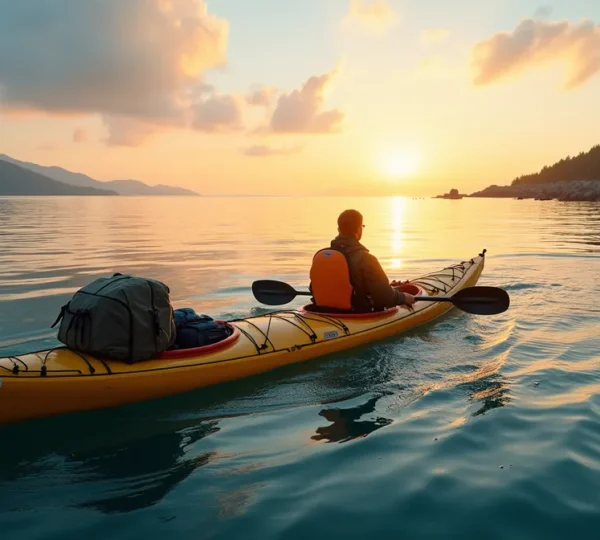
How to Plan a Self-Supported Multi-Day Kayak Expedition
In summary: True expedition autonomy relies on technical skill and dynamic risk assessment, not just a packing list. Mastering cold-water self-rescue and real-time weather interpretation are non-negotiable survival skills. Protecting critical electronics demands a system of redundancy, as a single…
Read more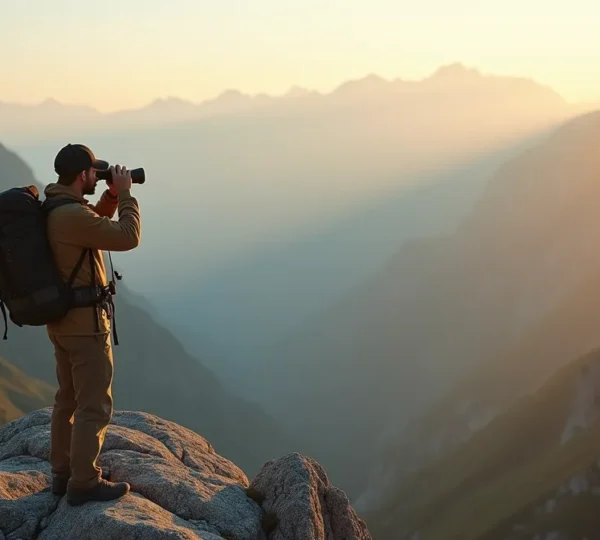
How to Spot Ibexes and Marmots Without Disturbing Their Habitat?
In summary: Successful ethical wildlife spotting goes beyond being quiet; it requires understanding an animal’s superior senses of sight and smell. Instead of just choosing dawn or dusk, learn to use the mountain’s invisible thermal wind currents to hide your…
Read more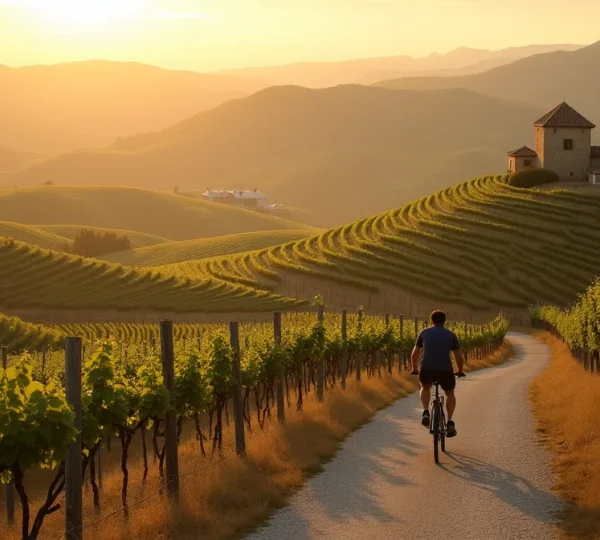
How to Plan a Cycling Wine Tour in Burgundy Without Getting Exhausted?
The key to an unforgettable Burgundy bike tour is not physical endurance, but intelligent pacing and sensory logistics. Plan your daily routes based on slope exposure and your personal energy levels, tackling steep climbs in the morning. Master the art…
Read more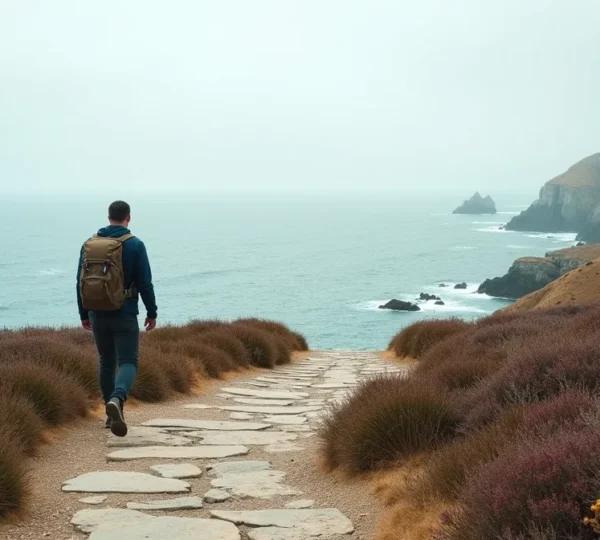
How to Hike the Brittany Coast Path Without Worsening Erosion?
To protect Brittany’s fragile coast, a hiker must think like a geologist and act as a conscious steward, as every choice directly impacts the landscape’s future. Understand that erosion is accelerated by soil compaction and altered water drainage from foot…
Read more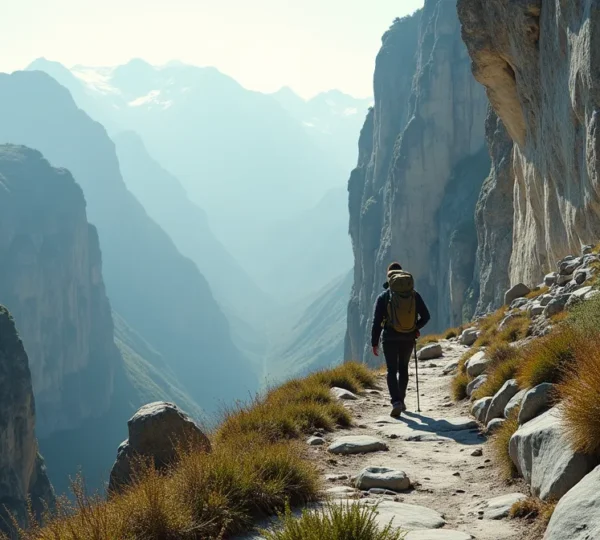
How to Cross the Brèche de Roland Safely for Intermediate Hikers?
Successfully crossing the Brèche de Roland hinges on recognizing that generic mountain advice is insufficient. The Pyrenees present unique dangers, from treacherous wet limestone to sudden, violent storms and territorial guard dogs. This guide provides a safety-first framework focused specifically…
Read more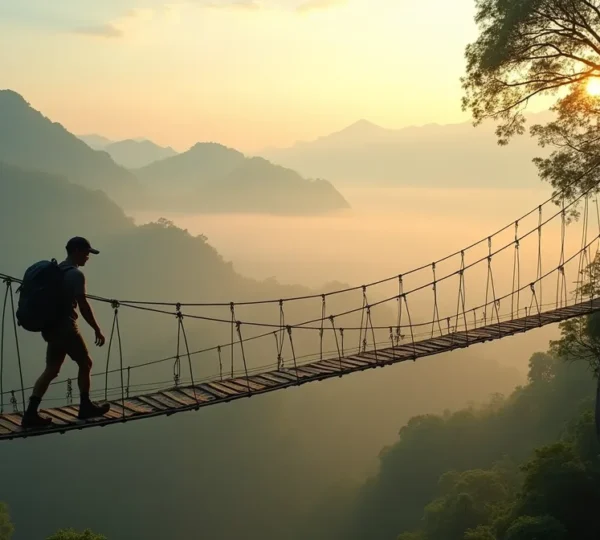
How to Plan an Adrenaline-Packed Trip Without Damaging Fragile Ecosystems?
In summary: Effective low-impact adventure is not a passive checklist but an active, practiced discipline in every decision made. Maximise your adrenaline yield by understanding and deliberately minimising your specific ecological footprint for each activity. Embrace the principle of “sacrificial…
Read more