In summary:
- Effective low-impact adventure is not a passive checklist but an active, practiced discipline in every decision made.
- Maximise your adrenaline yield by understanding and deliberately minimising your specific ecological footprint for each activity.
- Embrace the principle of “sacrificial zones” by intentionally using durable surfaces (like the middle of a muddy trail) to protect fragile surroundings.
- True environmental respect in extreme sports comes from disciplined logistics, from minimalist packing to preventing biological contamination.
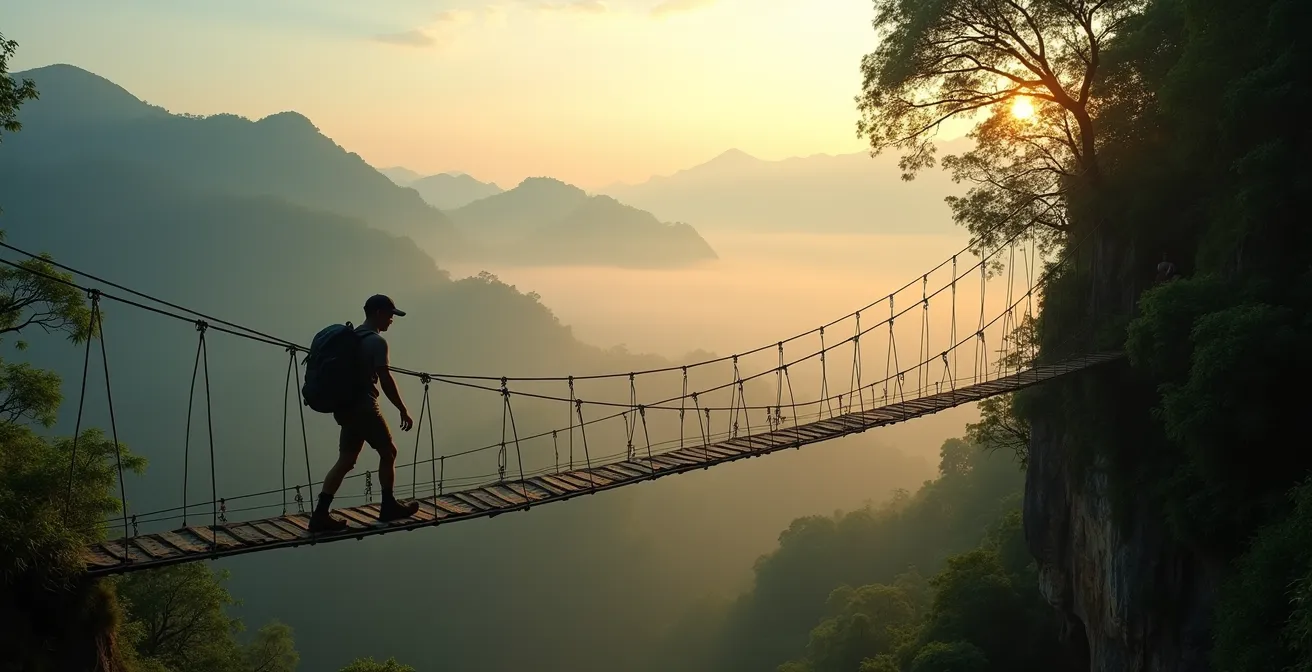
The call of the wild and the rush of adrenaline are a powerful combination. For many, the thrill of scaling a cliff, navigating a raging river, or trekking through remote wilderness is the ultimate expression of freedom. Yet, this pursuit of high-octane adventure often clashes with a deep-seated desire to protect the very nature that makes it possible. The core conflict for the modern adventurer is no longer just about conquering the challenge, but doing so without leaving a scar on the landscape.
Common advice often feels inadequate, boiling down to simplistic platitudes like “pack light” or “don’t litter.” While well-intentioned, these tips barely scratch the surface of what it means to be a truly responsible thrill-seeker. They fail to address the specific, high-impact scenarios inherent in extreme sports, where a single poorly placed anchor or a wrong turn can have lasting consequences on a fragile ecosystem. The challenge goes beyond basic etiquette; it demands a higher level of situational awareness and technical skill.
But what if the key wasn’t just following a generic set of rules, but adopting a mindset of impact discipline? This article proposes a more rigorous framework. We will move beyond the basics of “Leave No Trace” to explore the operational decisions and calculated trade-offs that define truly sustainable adventure. It’s about learning to think like a conservationist in high-stakes environments, where every action is weighed for its adrenaline yield against its ecological cost.
This guide will break down specific, real-world scenarios you’ll face on your next adventure. We’ll examine the micro-decisions that make a macro-difference, equipping you with the knowledge to not only seek thrills but also to become a dedicated guardian of the wild places you love.
Summary: A Disciplined Approach to High-Adrenaline, Low-Impact Travel
- Why Extreme Sports Athletes Are Often the Best Nature Defenders?
- How to Anchor Climbing Gear Without Scarring Limestone Cliffs?
- Canyoning or Rafting: Which Disturbs Aquatic Life Less in Narrow Gorges?
- The Navigation Mistake That Stresses Nesting Raptors in Mountain Areas
- When to Hike Muddy Trails to Prevent Permanent Soil Damage?
- What to Do Specifically When You Capsize in Cold Water Alone?
- How to Pack for the Pyrenees Where Storms Hit in 15 Minutes?
- How to Design an Active Vacation That Fits Different Fitness Levels?
Why Extreme Sports Athletes Are Often the Best Nature Defenders?
It may seem counterintuitive, but those who push the limits in nature are often its most passionate protectors. This connection isn’t accidental; it’s forged through intimate, repeated exposure to the beauty and fragility of wild places. When your sport depends on pristine ice, clean rivers, or stable rock faces, you develop a personal stake in their preservation. This firsthand experience transforms abstract environmental concerns into tangible, immediate realities. An eroding trail isn’t just a statistic; it’s a direct threat to a beloved hiking route.
This deep connection fosters a powerful sense of stewardship that goes far beyond passive appreciation. It translates into a proactive, disciplined approach to conservation. The data backs this up: a comprehensive survey revealed that 77% of athletes express willingness to change their lifestyles to reduce their environmental impact. They understand that their access to adventure is a privilege, not a right, and that privilege comes with responsibility.
This commitment often evolves from individual action to collective advocacy. Groups like Protect Our Winters (POW), founded by professional snowboarder Jeremy Jones, mobilize the entire outdoor sports community—a potential constituency of 57 million people in the US alone—to influence climate policy. They leverage their platforms to advocate for systemic change, proving that the discipline learned on a mountain face can be a powerful force for global environmental action. These athletes aren’t just using nature; they are actively fighting for its future.
How to Anchor Climbing Gear Without Scarring Limestone Cliffs?
Climbing is a dance of power and precision on a vertical stage. But when that stage is a soft, porous rock like limestone, every move and piece of gear carries the potential for permanent damage. The principle of “impact discipline” here is paramount. It’s not just about getting to the top; it’s about leaving the rock as you found it, preserving its natural state for future climbers and for the ecosystem it supports. This goes beyond simply removing your gear; it’s about choosing techniques that prevent scarring from the outset.
The core philosophy is articulated by outdoor experts. As REI’s guidance on Leave No Trace principles states, the goal is to “Leave rocks, plants and other natural objects as you find them.” This requires a conscious rejection of destructive practices. For climbers, this means mastering the art of “clean climbing”—using removable protection like nuts and cams that slot into natural cracks rather than hammering in permanent pitons that fracture and scar the rock. On limestone, which is particularly susceptible to erosion, this discipline is non-negotiable.
Furthermore, impact discipline extends to preventing biological contamination. Before you even touch the rock, you must ensure your gear is clean. As the same principles advise, you must “Avoid introducing or transporting non-native species: Clean boot soles, kayak hulls and bike tires off between trips.” For climbers, this means meticulously cleaning ropes and shoes to avoid transferring soil, seeds, or microbes from one crag to another. This prevents the introduction of invasive species that can devastate local flora clinging to cliff faces. The discipline of a clean ascent is both physical and biological.
Canyoning or Rafting: Which Disturbs Aquatic Life Less in Narrow Gorges?
Choosing your adventure often involves a trade-off between adrenaline yield and ecological footprint. In the tight confines of a narrow gorge, both canyoning and rafting offer incredible thrills, but their impact on sensitive aquatic ecosystems can differ significantly. Answering which is “better” requires a disciplined analysis of how each activity interacts with the environment, from physical disturbance to chemical and noise pollution. There’s no single right answer; the responsible choice depends on the specific conditions of the gorge.
Canyoning involves moving through the watercourse on foot, swimming, and rappelling. While it feels more intimate and personal, every footstep has the potential to trample sensitive macroinvertebrate habitats on the riverbed. Rafting, conversely, concentrates the group into a single vessel, which displaces a larger volume of water but may limit direct trampling to launch and takeout points. The key is to evaluate which type of disturbance the local ecosystem is more resilient to.
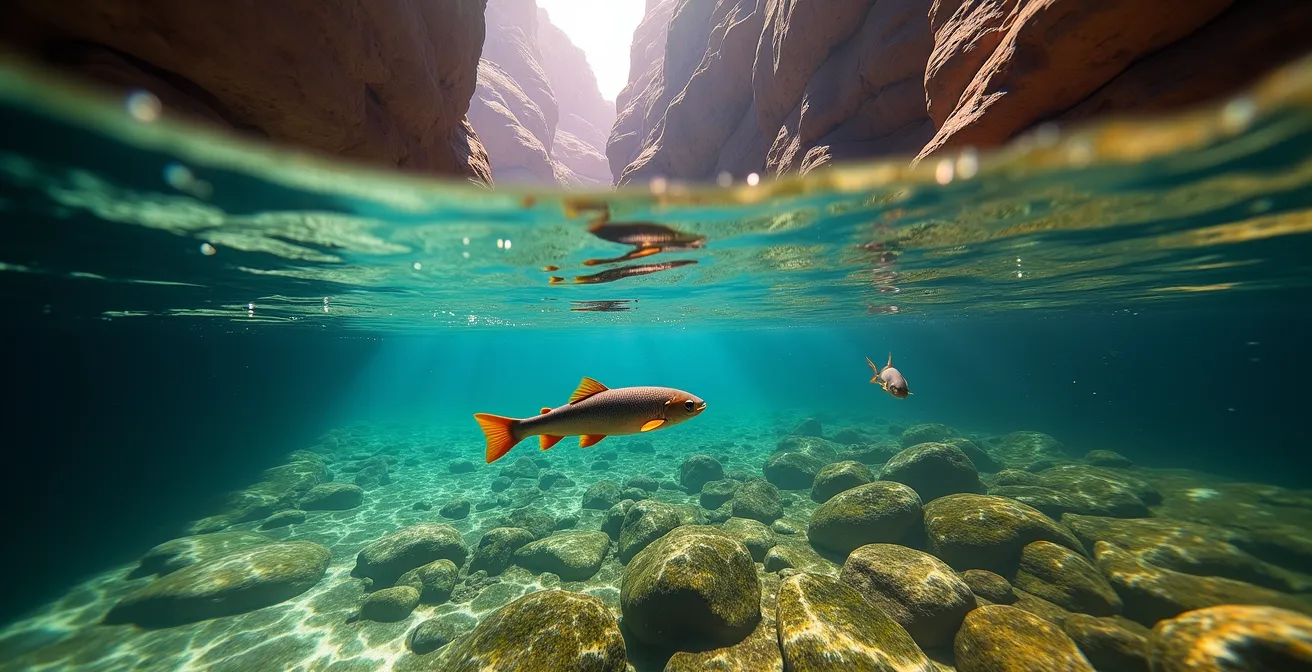
To make an informed decision, it’s helpful to compare the specific impact factors side-by-side. As a comparative analysis of sustainable travel shows, the details matter. Canyoning generally has a lower concentrated chemical load, but a higher biosecurity risk due to multiple points of contact with the water. Rafting produces acute, loud noise that can disrupt wildlife, while canyoning creates a quieter but more prolonged presence.
| Impact Factor | Canyoning | Rafting |
|---|---|---|
| Physical Disturbance | Individual footsteps, potential for trampling | Single raft displacement, concentrated impact |
| Chemical Load | Lower – individual sunscreen/repellent use | Higher – group chemical concentration |
| Noise Impact | Prolonged but quieter presence | Acute but louder disruption |
| Biosecurity Risk | Higher – multiple contact points with water | Lower – contained to raft area |
The Navigation Mistake That Stresses Nesting Raptors in Mountain Areas
In the mountains, your line of travel is everything. For thrill-seekers drawn to ridgelines and cliff faces, a simple navigation choice can have unseen but severe consequences for wildlife. The most critical mistake is unintentional encroachment on raptor nesting sites during their sensitive breeding season. Birds of prey like eagles, falcons, and hawks perceive humans approaching their nests as a direct predatory threat, which can lead to nest abandonment and the failure of their young.
Impact discipline in this context is about spatial awareness and pre-trip planning. It’s not enough to simply “keep an eye out” for wildlife. You must actively plan your route to avoid potential nesting areas, especially from March through August. According to Leave No Trace principles, adventurers should maintain a minimum distance of 200 feet from any potential wildlife nesting or denning site. For ridge-runners and climbers, this means studying topographic maps beforehand to identify cliffs and steep terrain that are prime raptor habitat and routing your path away from them.
This discipline extends to the technology we carry. Drones, while offering spectacular footage, are a significant source of stress for raptors. They are perceived as aerial predators, and their presence can cause birds to flee their nests, leaving eggs or chicks exposed to the elements or other predators. Many wilderness areas and national parks have banned drone use entirely for this reason. Before you even think about launching a drone, your first step must be to check local regulations. The best shot is never worth the life of a wild animal. True respect is demonstrated by the restraint you show, not the footage you capture.
When to Hike Muddy Trails to Prevent Permanent Soil Damage?
The question itself feels wrong: shouldn’t you avoid muddy trails altogether? The disciplined, low-impact answer is surprisingly counterintuitive: if a trail is muddy, you should hike directly through the middle of it. This principle is a perfect example of embracing a “sacrificial zone” to protect the larger ecosystem. The common temptation is to walk around the mud, but this action is what causes the most significant, long-term damage.
Every time a hiker steps off the established path to avoid a puddle, they trample and kill the vegetation at the trail’s edge. Over time, as hundreds of hikers make the same choice, the trail widens, creating a phenomenon known as “trail braiding.” This erosion destroys plant life, compacts soil, and creates wider channels for water runoff, accelerating the degradation of the landscape. As the Washington Trails Association advises, the correct protocol is to “Walk single file in the middle of the trail, even when wet or muddy.” This contains the impact to the already-compacted trail bed, which is designed to withstand such use.
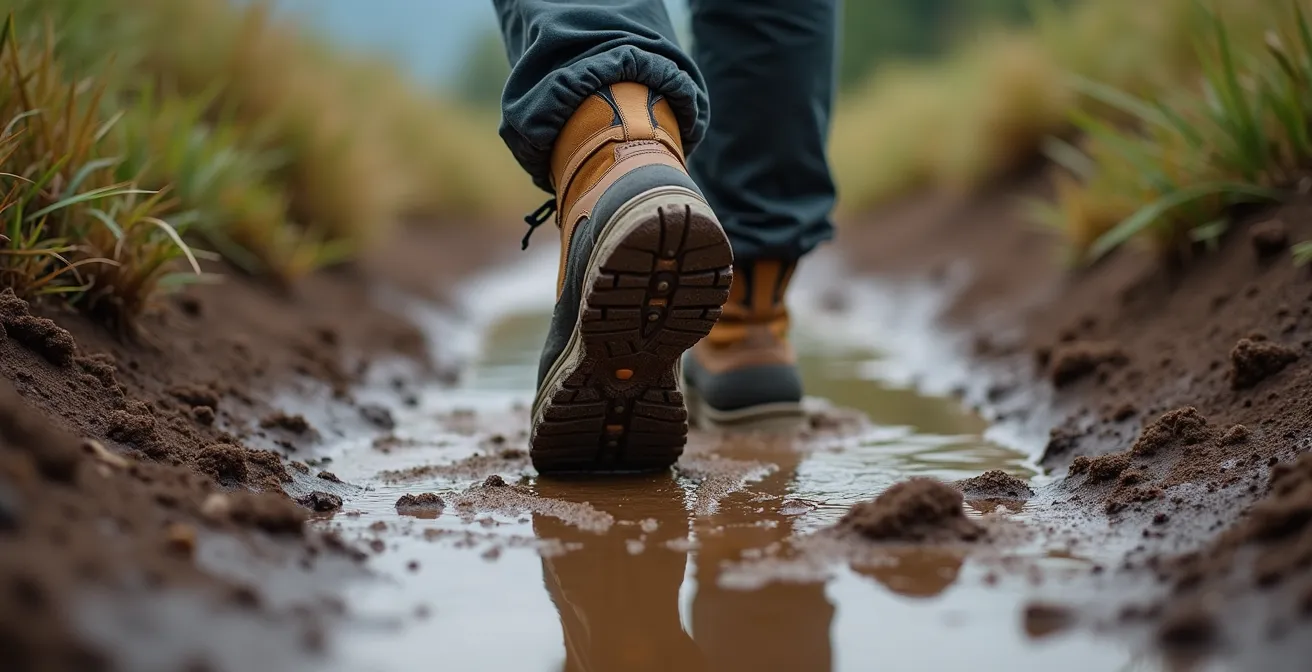
This isn’t about enjoying a mud bath; it’s a calculated decision to sacrifice your clean boots for the health of the trail. It requires fighting the instinct for comfort and cleanliness in favor of a greater ecological good. The Appalachian Trail Conservancy reinforces this by highlighting strategies to prevent trail widening, which include walking through mud puddles and never cutting switchbacks. By accepting the temporary discomfort of a muddy boot, you play an active role in preventing permanent soil damage and preserving the trail’s integrity for years to come. It is the ultimate act of trail stewardship.
Action Plan: Auditing Your Trail Etiquette
- Footwear Check: Are my boots waterproof and my socks moisture-wicking, preparing me to walk through mud without hesitation?
- Route Analysis: Have I checked recent trail conditions to anticipate mud and mentally prepare for proper etiquette?
- Group Briefing: Before starting, does everyone in my group understand the ‘walk-through-it’ principle to prevent trail braiding?
- Post-Hike Cleaning: Do I have a plan to clean my boots at a designated station or at home to prevent spreading soil and seeds to other trails?
- Advocacy: Do I share this knowledge with other hikers on the trail who may be unintentionally causing damage by walking around mud?
What to Do Specifically When You Capsize in Cold Water Alone?
Capsizing in cold water when you’re alone is a life-threatening emergency where survival is the absolute priority. However, even in this high-stress scenario, impact discipline can and should be integrated into your actions. Panic leads to poor decisions for both your safety and the environment. A trained, methodical response can save your life while preventing your gear from becoming permanent pollution in a pristine waterway.
Your first priority is to combat cold water shock and hypothermia. Do not immediately start flailing towards shore. Instead, control your breathing and assume the HELP (Heat Escape Lessening Posture) position by pulling your knees to your chest to conserve core body heat. While doing this, your second disciplined action is to secure your gear. A lost paddle, dry bag, or kayak becomes plastic debris that can harm wildlife for decades. Always have crucial items tethered to you or your boat. Securing your equipment is not just about saving money; it’s a fundamental part of leaving no trace, even in an emergency.
If you must attempt a self-rescue or reach the shore, do so with intention. Use a whistle or signal mirror attached to your PFD to signal for help; these are far more effective and less impactful than trying to start a fire on a fragile shoreline. If you do make it to land, try to exit the water at a durable location like a rock slab or established landing spot, avoiding the fragile vegetation along the bank. The discipline to think about your impact, even when your survival is at stake, is the hallmark of a truly expert adventurer.
How to Pack for the Pyrenees Where Storms Hit in 15 Minutes?
Packing for a mountain range like the Pyrenees, notorious for its sudden and violent storms, is an exercise in disciplined minimalism. You need to be prepared for anything—sun, rain, hail, and high winds—often in the same afternoon. However, this doesn’t mean packing your entire closet. It means selecting multi-functional, high-performance gear that provides maximum protection for minimum weight and volume. This minimalist approach is not just for your own comfort and mobility; it is a cornerstone of sustainable travel.
The connection between your pack’s weight and your environmental impact is direct. As one experienced traveler notes, this is a core tenet of eco-friendly travel: “The lighter you pack, the less energy will be required for transportation.” On a collective scale, lighter luggage on planes and trains translates to significant reductions in fuel consumption. This philosophy of “minimalist logistics” should guide every packing decision. Instead of a separate rain jacket and windbreaker, choose a single, high-quality waterproof/breathable shell. Opt for wool layers that insulate even when damp, reducing the need for bulky spares.
This disciplined approach to packing reflects a growing awareness within the travel community. The demand for responsible tourism is driving a massive market shift. This is not just a niche interest; it’s a powerful economic force that shows how individual choices contribute to a larger movement. Your decision to pack light for the Pyrenees is a vote for a more sustainable model of adventure, one that prioritizes efficiency and preparedness over excess. It proves that being ready for a 15-minute storm doesn’t require a heavy burden, but a smarter, more disciplined selection of gear.
Key takeaways
- Impact Discipline: Adopt an active mindset where every choice is a calculated decision to minimize your environmental footprint.
- Situational Analysis: Understand that the “best” low-impact choice (e.g., rafting vs. canyoning) depends on the specific ecosystem’s vulnerabilities.
- Sacrifice for Preservation: Be willing to accept minor personal discomfort, like walking through mud, to prevent long-term, large-scale environmental damage.
How to Design an Active Vacation That Fits Different Fitness Levels?
Designing an adrenaline-packed trip for a group with mixed fitness levels is one of the greatest challenges in adventure planning. The goal is to ensure everyone feels challenged but not overwhelmed, included but not held back. This requires a level of planning that goes far beyond just picking a destination. It demands a modular approach to itinerary design, where a central “base” activity is complemented by optional, scalable challenges. This ensures the trip is both inclusive and environmentally responsible.
The key is to choose a location with a high density of varied options. For example, a base camp near a mountain lake could offer a mellow kayaking or hiking loop for some, while others tackle a strenuous peak ascent or a technical rock climb on a nearby crag. The group starts and ends the day together, sharing stories and building camaraderie, but the core activities are tailored to individual abilities. This prevents the group’s pace from being dictated by the least fit member, which can lead to frustration, or by the most fit, which can lead to dangerous situations for others.
This careful planning is more important than ever as adventure travel grows. The industry’s massive valuation, which was already at $586 billion in 2018, signifies a huge number of people heading into the outdoors. Accommodating diverse fitness levels broadens this market, but it also increases the potential for environmental impact if not managed with discipline. A well-designed trip ensures that less experienced individuals are not pushed into situations where they might take shortcuts, like cutting switchbacks, or require rescue, which has its own significant environmental footprint. Ultimately, the most successful group adventure is one that thoughtfully manages both human and ecological variables.
Begin today to apply this mindset of impact discipline to your next adventure plan. By moving beyond a simple checklist and embracing a deeper ethic of responsibility, you can ensure that your pursuit of adrenaline actively contributes to the preservation of the wild places we all depend on.
Frequently Asked Questions on How to Plan an Adrenaline-Packed Trip Without Damaging Fragile Ecosystems
How far should I stay from cliff faces during raptor nesting season?
Maintain at least 200 feet distance from potential nesting sites, and avoid ridge-running routes that bring you close to cliff faces during March through August.
Can drones be used to film in mountain areas?
Drones are perceived as predatory threats by raptors and can cause nest abandonment. Check local regulations as many wilderness areas prohibit drone use entirely.
How can I identify raptor nesting areas before my trip?
Study topographic maps for cliff faces and steep terrain, check with local ranger stations for seasonal closures, and look for white streaking on rocks indicating active nests.