Destinations and regions
Choosing where to travel has never been more complex—or more meaningful. Every destination represents a unique intersection of geological heritage, living ecosystems, cultural identity, and human impact. Whether you’re drawn to the pink granite coastlines of Brittany, the geothermal power of Iceland, or the cloud forests of Costa Rica, understanding what lies beneath the surface transforms a simple trip into a deeply enriching experience.
This comprehensive resource introduces the fundamental concepts that define destinations and regions as travel categories. You’ll learn why certain landscapes require careful management, how protected territories function, what distinguishes regional from remote travel, and how to prepare logistically and ethically for environments ranging from accessible canal paths to isolated fjords. The goal is to equip you with the knowledge to choose destinations confidently while respecting the delicate balance between exploration and preservation.
What Makes a Destination More Than Just a Location?
A true destination is defined not merely by its coordinates, but by the layered narratives embedded in its landscape. Geological formations tell million-year stories—the pink granite of coastal Brittany formed through slow crystallization deep underground, while Iceland’s volcanic terrain reveals the ongoing dialogue between tectonic plates. These physical features create the visual drama that initially attracts visitors, but they also establish fragility thresholds that determine how many footsteps a trail can sustain or how close a boat can safely approach.
Beyond geology, destinations gain meaning through ecological uniqueness. Cloud forests in Costa Rica function as living water towers, their constant mist supporting species found nowhere else on Earth. The calanques of Southern France combine limestone cliffs with Mediterranean marine ecosystems, creating anchoring regulations that protect underwater habitats while still allowing exploration. Understanding these systems helps you appreciate why certain rules exist and why timing matters—visiting lavender fields during harvest season, for example, directly conflicts with agricultural operations that sustain local economies beyond tourism.
Cultural and historical layers add the final dimension. Burgundy’s “Climats” represent centuries of viticultural knowledge mapped onto specific parcels of land, recognized for demonstrating the profound relationship between human expertise and terroir. The Quaker conservation history in Costa Rican reserves reflects deliberate preservation efforts that shape current visitor experiences. When you recognize these dimensions, you move from passive sightseeing to active understanding.
Understanding Fragile Ecosystems and Geological Heritage
Many of the world’s most visually stunning destinations are also its most vulnerable. Limestone formations, such as those in dramatic gorges and cliff systems, erode easily under repeated human contact. Off-trail walking near iconic landmarks can destroy cryptobiotic soils that take decades to regenerate, or damage the volcanic moss in Iceland that grows at a rate measured in millimeters per year.
Coastal environments face particular pressure. Tidal zones along customary footpaths like the GR34 in Brittany support specialized species adapted to narrow environmental windows. When visitors time their walks without considering tidal cycles, they risk trampling intertidal life or becoming stranded. Similarly, invasive species hitchhike on boots and gear, threatening native cliff vegetation that stabilizes fragile coastlines. A single non-native seed can fundamentally alter an ecosystem’s composition.
Agricultural landscapes face different pressures. Lavender fields in Provence, though cultivated, remain working farms where unauthorized picking constitutes theft and photography that requires entering planted rows causes crop damage. The visual appeal of these purple expanses masks the reality that they exist primarily for essential oil production, not tourism. Comparing regions like Luberon versus Verdon helps you understand how altitude, microclimate, and cultivation techniques create different flowering schedules and access conditions.
Recognizing fragility doesn’t mean avoiding these places—it means adjusting your approach. Shuttle systems at high-traffic sites, advance entry slot reservations, and designated viewpoints exist specifically to concentrate impact in reinforced areas while allowing the broader landscape to recover. These aren’t bureaucratic obstacles but carefully designed tools that enable sustainable access.
Navigating Regulations in Protected Territories
National parks and reserves operate under legal frameworks designed to balance public access with conservation mandates. These regulations often seem restrictive until you understand their scientific basis. The ban on dogs in many national parks, for instance, stems from wildlife stress responses—even leashed dogs emit predator signals that cause breeding birds to abandon nests or force herbivores to expend precious energy fleeing.
Camping regulations illustrate the nuanced approach these territories require. The distinction between bivouac (late setup, early breakdown, minimal equipment) and wild camping (extended stays with substantial gear) exists because the former creates negligible ecological footprint while the latter concentrates waste, compacts soil, and disturbs wildlife behavior patterns. Understanding these legal distinctions helps you plan overnight trips that comply with regulations while still offering authentic wilderness experiences.
Noise Pollution and Visitor Behavior
One of the most underestimated threats in protected areas is acoustic disturbance. Many species rely on sound for mating calls, territorial signaling, and predator detection. Human conversation, music, and even the click of camera shutters during sensitive periods can disrupt these essential behaviors. Regulations around quiet hours and designated silence zones reflect acoustic ecology research showing that noise pollution can be as damaging as physical habitat destruction.
Planning Around Refuge and Facility Schedules
Protected mountain territories like Vanoise operate seasonal refuge systems that dictate when multi-day treks are feasible. These opening dates aren’t arbitrary—they correspond to snow melt patterns, staffing logistics for emergency services, and wildlife breeding seasons when human presence must be minimized. Planning your visit requires coordinating these schedules with your physical conditioning and equipment capabilities, especially for hut-to-hut treks that demand autonomy between staffed facilities.
Regional Characteristics: Matching Destinations to Your Travel Style
Different regions reward different approaches. Burgundy exemplifies slow travel territory, where the historic canal towpaths invite multi-day cycling at a pace that allows spontaneous stops at wine cellars and village markets. The choice between basing yourself in Beaune versus Dijon fundamentally shapes your experience—the former offers intimate access to vineyard landscapes, while the latter provides urban cultural infrastructure and transportation connections. Rushing the Route des Grands Crus by car defeats its purpose; this is landscape meant to be absorbed gradually.
Coastal regions present the north-versus-south dilemma seen clearly in Brittany, where the northern coast delivers dramatic wave action and wilder scenery, while the southern coast offers gentler microclimates and more developed tourism infrastructure. Your choice depends on whether you prioritize raw natural power or comfortable accessibility, and whether you’re prepared for the gear and contingency planning that exposed coastlines demand.
Mountain environments require matching your physical ability to terrain challenges. The Vanoise region offers everything from gentle valley walks to technical alpine routes, but the decision between group hikes and private guide engagement hinges on your skill level and specific goals. Glacier travel, for instance, is categorically unsafe without professional guidance—crevasse recognition and rescue techniques require specialized training that cannot be improvised.
Water-Based Destinations
Maritime and lacustrine regions introduce additional variables. In the Calanques National Park, understanding the Mistral wind patterns is essential for kayak safety—this powerful northern wind can transform calm bays into dangerous conditions within hours. The choice between rental equipment and guided tours depends not just on your paddling ability, but on your meteorological literacy and self-rescue skills. Anchoring regulations exist to protect sensitive seagrass beds, requiring boaters to understand marine ecology alongside navigation.
Preparing for Remote and Extreme Environments
Remote destinations demand a fundamentally different planning approach. New Zealand’s Fiordland region experiences some of Earth’s highest rainfall totals, with annual precipitation measured in meters rather than millimeters. Preparing for extreme rainfall means waterproofing not just clothing but electronics, understanding hypothermia risk management, and accepting that “bad weather” is simply “weather” in these environments—resistance to getting wet determines your enjoyment more than any gear choice.
Isolation amplifies every decision. Booking the Great Walks in New Zealand’s southwest requires committing to specific dates months in advance, with limited flexibility if conditions deteriorate. Boat size significantly impacts your fjord experience—smaller vessels access narrower waterways but amplify wave motion, while larger boats provide stability at the cost of intimacy. The infamous sandflies that plague these regions aren’t merely annoying; their density can genuinely affect your mental state during multi-day exposure, making protection strategies essential rather than optional.
Climate Zones and Physical Exertion
Understanding climate zone classifications helps you prepare physiologically. Traveling from temperate regions to tropical cloud forests subjects your body to constant high humidity that prevents efficient cooling through perspiration. Gear for perpetual moisture differs fundamentally from rain gear—you need fabrics that function while wet, not materials designed to stay dry. Night tours versus day tours in these environments aren’t just scheduling preferences; nocturnal wildlife activity peaks when temperatures drop and humidity rises, requiring headlamps, adjusted footing strategies, and comfort with reduced visibility.
Health, Accessibility, and Budgeting
Remote eco-lodges often lack wheelchair access, reliable communications, and immediate medical services. Assessing accessibility honestly prevents dangerous situations and disappointment. Vaccine preparation extends beyond legal requirements to include understanding disease vectors and prophylaxis timing—some immunizations require months to reach full effectiveness.
Budgeting for remote logistics means accounting for costs invisible in accessible destinations: chartered flights to trailheads, specialized insurance policies, satellite communication devices, and the premium prices that reflect true transportation costs rather than subsidized tourism infrastructure. In Iceland, for example, car rental insurance nuances around volcanic ash damage and unbridged river crossings can double your base rate—understanding these specifics prevents budget shock.
The Ethics of Modern Travel: Minimizing Your Impact
Responsible destination selection increasingly incorporates environmental criteria alongside personal preferences. This means honestly assessing whether your presence contributes positively, neutrally, or negatively to a location’s long-term viability. Sunrise versus sunset visits at popular viewpoints aren’t merely aesthetic choices—they distribute human pressure across different times, potentially reducing cumulative impact on wildlife activity patterns.
Photography ethics extend beyond respecting private property. Techniques for capturing lavender fields without entering planted rows, or photographing geothermal areas without stepping off boardwalks, reflect understanding that your image isn’t worth ecological damage. The spectacular hidden waterfalls increasingly shared on social media face a paradox: publicity drives visitation that degrades the very qualities that made them special. Considering whether to share location details publicly is itself an ethical decision.
Cultural distance and adaptation matter as much as physical preparation. Selecting destinations based on your capacity for cultural flexibility—your comfort with unfamiliar social norms, dietary restrictions, and communication barriers—prevents the frustration that leads to negative interactions. Authentic cultural exchange requires effort and humility that not every traveler is prepared to invest at every stage of their journey, and recognizing this honestly helps you choose appropriately.
The knowledge you’ve gained here provides the foundation for making informed decisions about where to travel and how to prepare. Each destination category—whether regional wine country or remote wilderness—demands specific understanding and respect. By approaching destinations as complex systems rather than backdrops for experience, you position yourself to travel more meaningfully and sustainably, finding deeper satisfaction while contributing to the preservation of the extraordinary places that enrich our world.
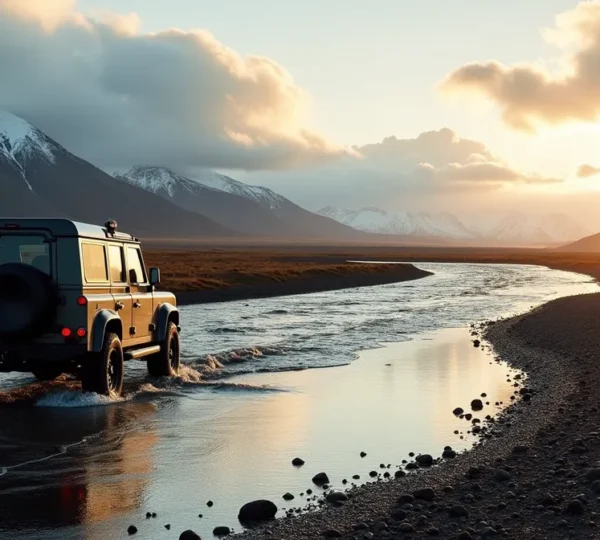
How to Drive Safely on Iceland’s F-Roads for Beginners?
In summary: Driving Iceland’s F-roads is less about 4×4 skill and more about respecting volatile natural forces like volcanic ash, geothermal vents, and glacial rivers. Standard car insurance is insufficient; specific Sand and Ash (SAAP) protection is non-negotiable to avoid…
Read more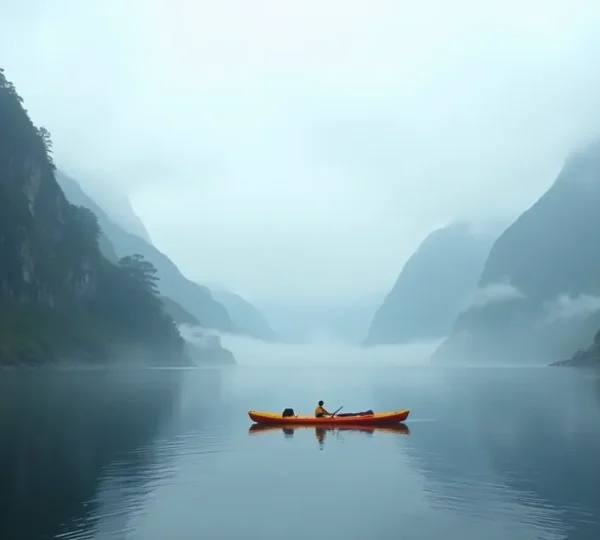
Milford Sound or Doubtful Sound: Which Fjord Offers True Solitude?
Choosing between Milford and Doubtful Sound isn’t about which is prettier; it’s a tactical decision about your tolerance for logistical challenges and environmental hostility. Milford offers dramatic, accessible beauty but demands you contend with crowds and a hazardous access road….
Read more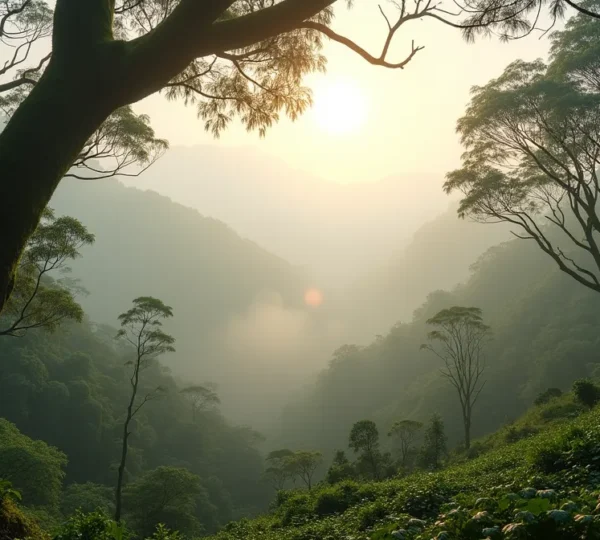
When to Visit Monteverde to See Quetzals Without the Crowds?
Seeing the Resplendent Quetzal isn’t about luck or just visiting during nesting season; it’s about mastering the unique environment of the cloud forest. The constant humidity is a feature, not a bug, driven by “horizontal precipitation” that requires specific gear…
Read more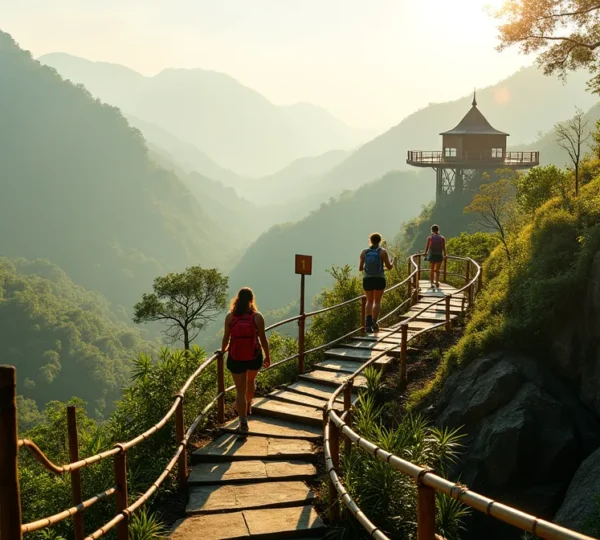
How to Choose an Eco-Destination That’s Right for Your Fitness Level
Choosing the right eco-adventure isn’t about how fit you are at the gym, but about understanding the hidden ‘environmental taxes’ a destination will levy on your body. Factors like tropical heat, disease risk, and complex logistics can double the physical…
Read more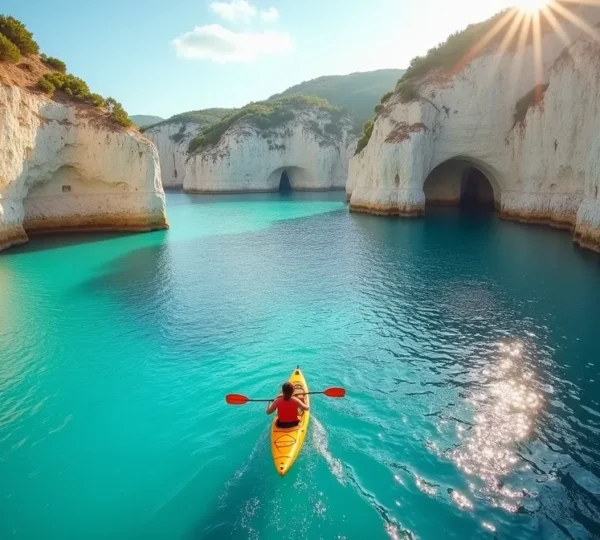
When to Kayak the Calanques to Avoid the Summer Flotilla?
The secret to a peaceful Calanques kayaking trip isn’t about choosing a month; it’s about mastering the park’s specific rules and natural rhythms. True solitude comes from understanding the park’s strict conservation rules, not just avoiding July and August. Safety…
Read more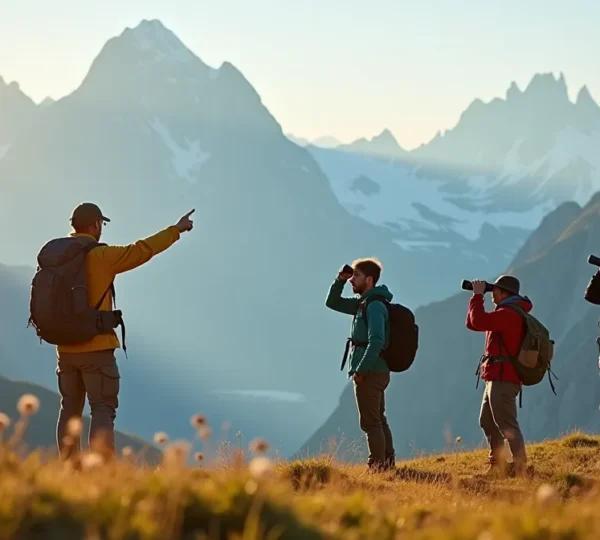
Why Hiring a Guide in Vanoise National Park Is Crucial for Spotting Ibexes?
Hiring a Vanoise guide isn’t about not getting lost; it’s about mastering the invisible variables that even experienced hikers overlook. A guide manages ‘temporal navigation’ to avoid hidden dangers like softening snow bridges that appear safe in the morning. They…
Read more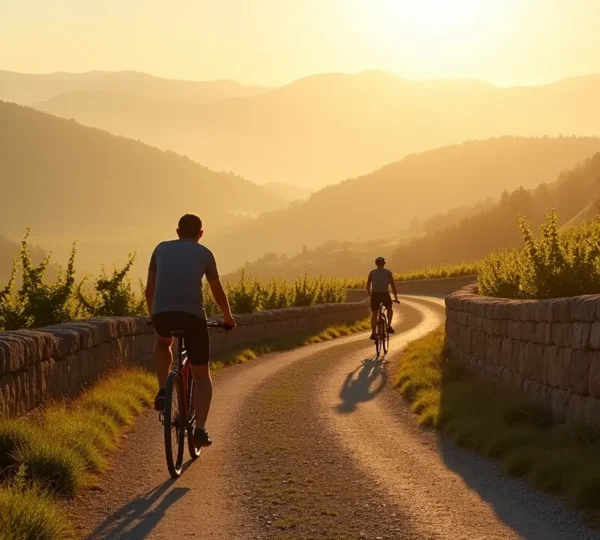
How to Truly Explore Burgundy’s Côte d’Or Without a Car: A Slow Travel Guide
In summary: Embrace car-free travel not as a constraint, but as a strategy to deeply connect with Burgundy’s landscape and terroir. Combine scenic, flat cycling on the Canal de Bourgogne with regional trains (TER) to move between hubs like Dijon…
Read more
What Are the Strict Prohibitions in French National Parks You Must Know?
Contrary to the open wilderness policies in many countries, France’s national parks operate under a strict, centralized regulatory philosophy. Understanding this is not just about avoiding fines; it’s about respecting a conservation model that legally distinguishes between highly protected “core…
Read more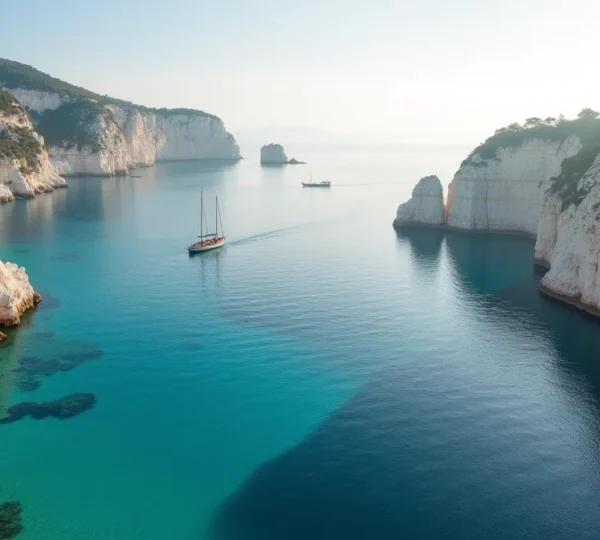
How to Visit the Calanques of Cassis Without Loving Them to Death?
The key to a guilt-free visit to the Calanques is shifting your mindset from a tourist consuming a view to a guardian preserving an ecosystem. Success lies not in finding secret spots, but in understanding and respecting the park’s limited…
Read more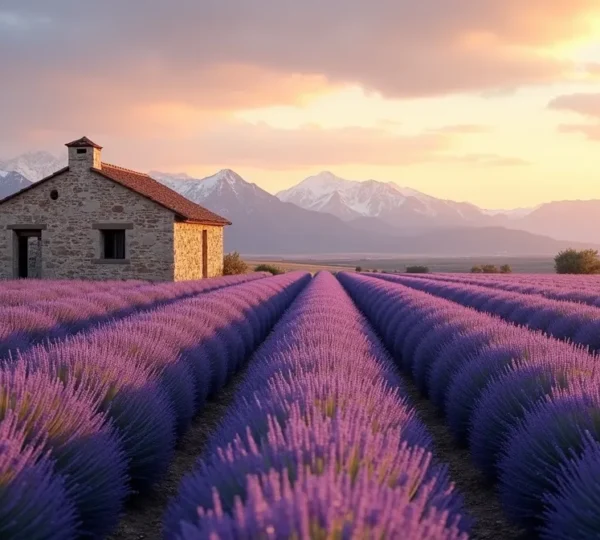
The Valensole Secret: Why You’re Visiting the Lavender Fields at the Wrong Time
The perfect Valensole trip isn’t about finding an empty field in July; it’s about shifting your perspective from the visual peak to the complete agricultural cycle. Authenticity lies in the farm’s biodiversity and the farmer’s craft, not just the purple…
Read more